

The Hemel Hempstead Explosion (England), December 2005
Storage Facility:
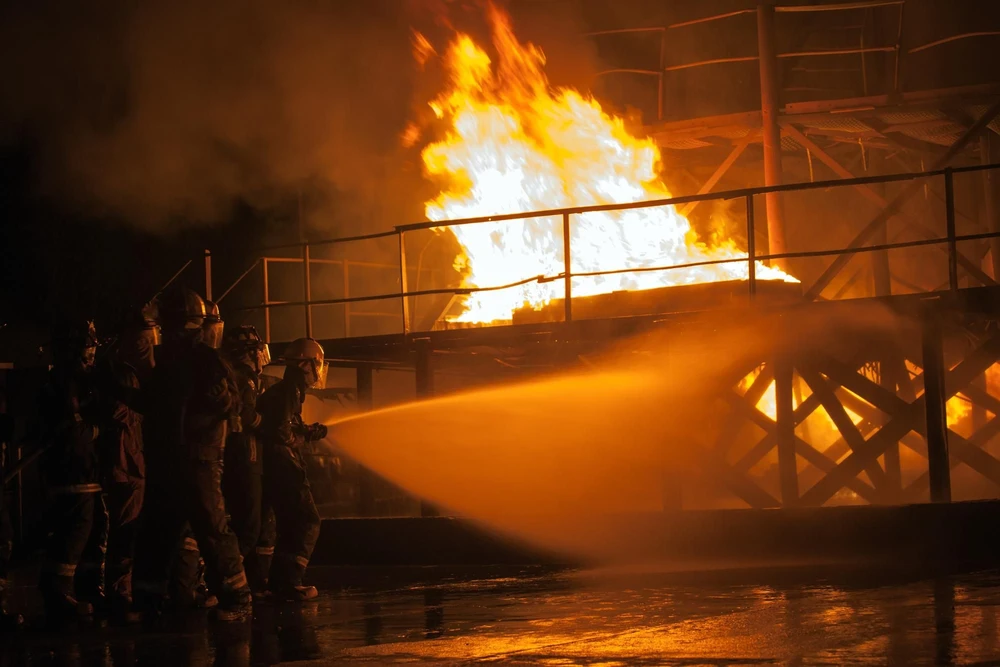
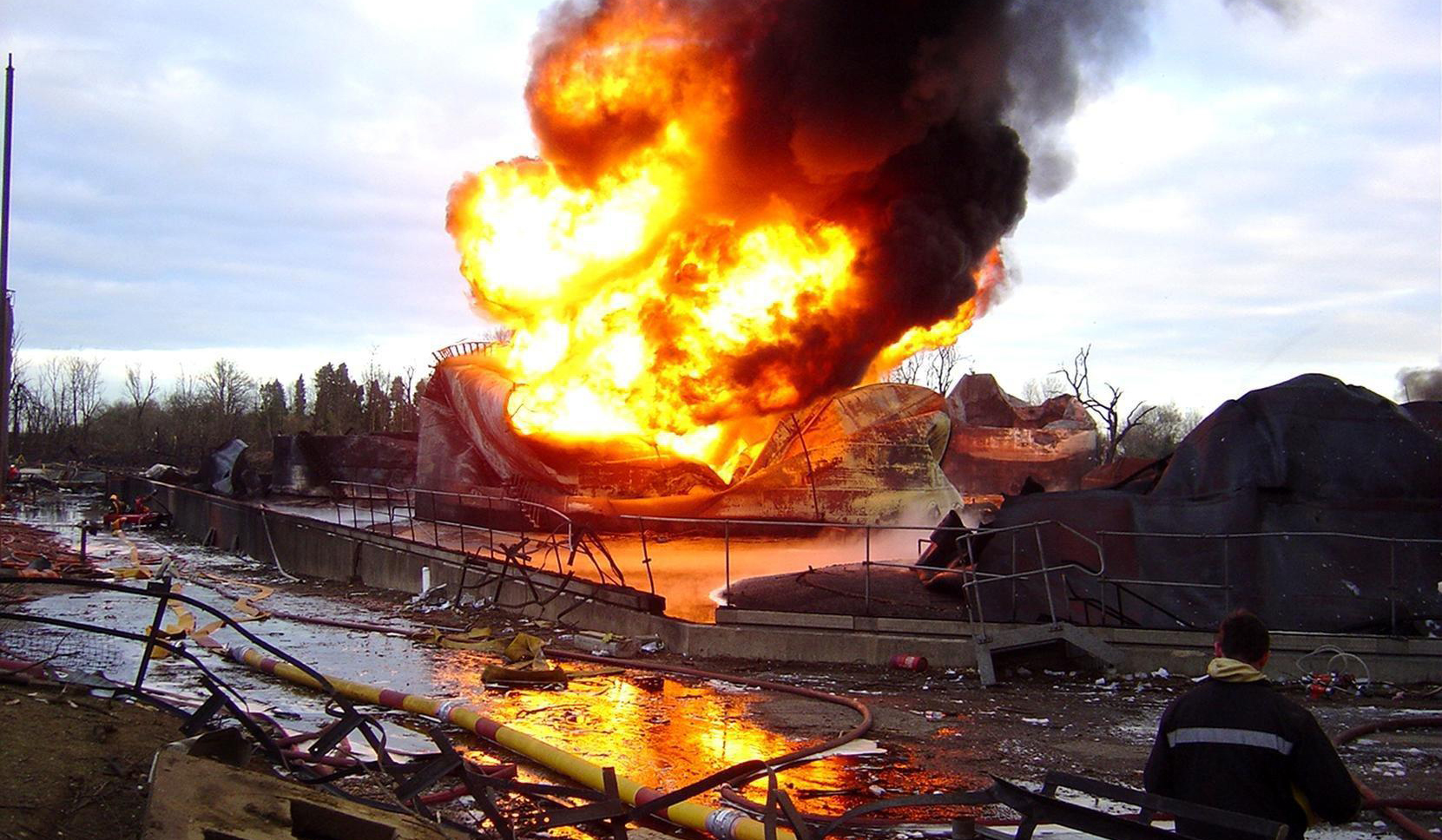
That day, gasoline was being loaded as usual at the Buncefield oil storage facility near Hemel Hempstead, London. However, at that moment, both the level gauge and the independent high-level switch on the tank being filled had malfunctioned. As a result of these chain reactions:
- Approximately 190 metric tons of gasoline (about 250 m³) spilled, eventually creating an explosive atmosphere,
- followed by explosions and a major fire,
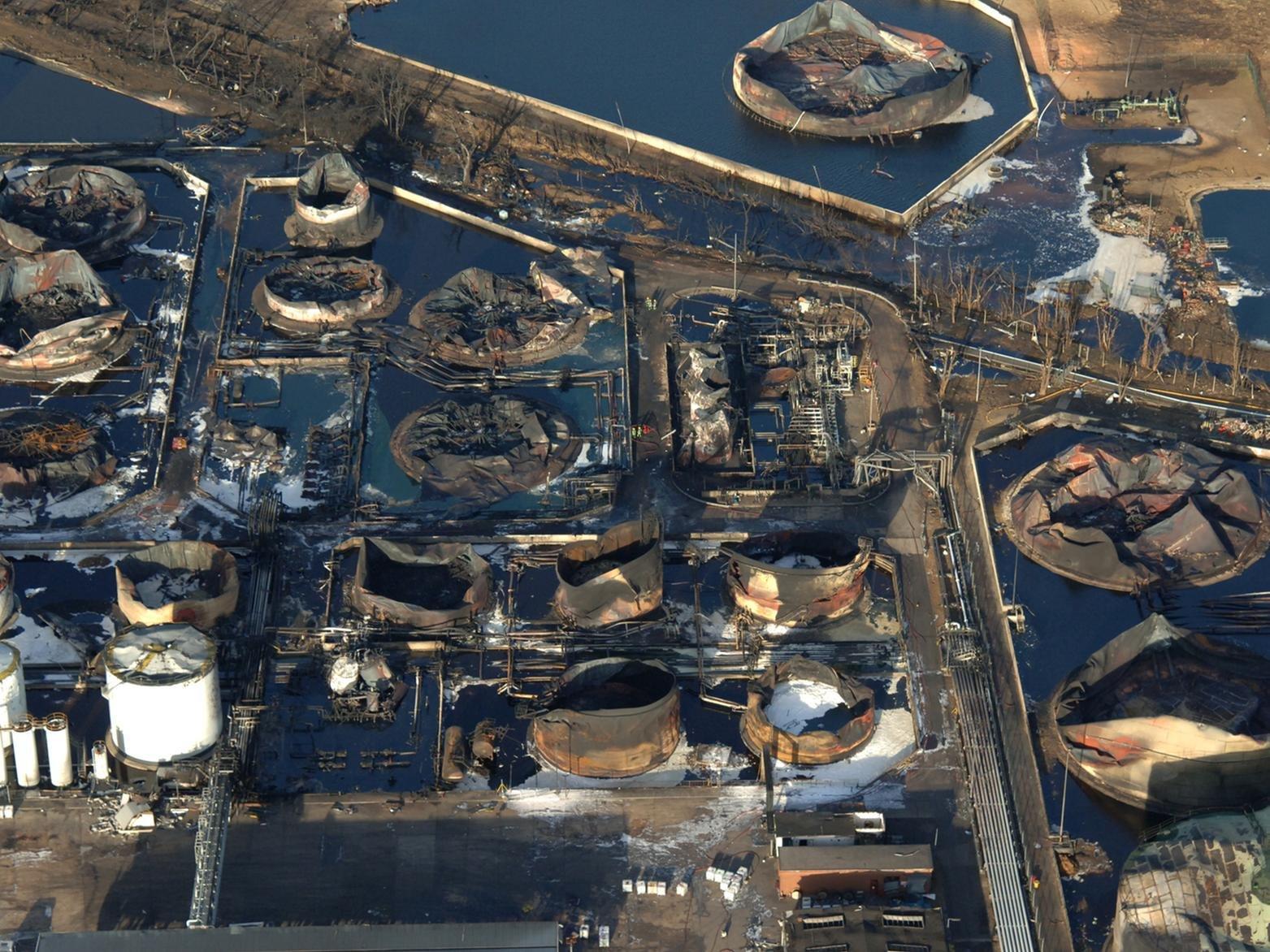
- causing serious damage to the property, the surrounding area, and people.
Effects of the Explosion
The effects of the explosions included the following:
|
|
|
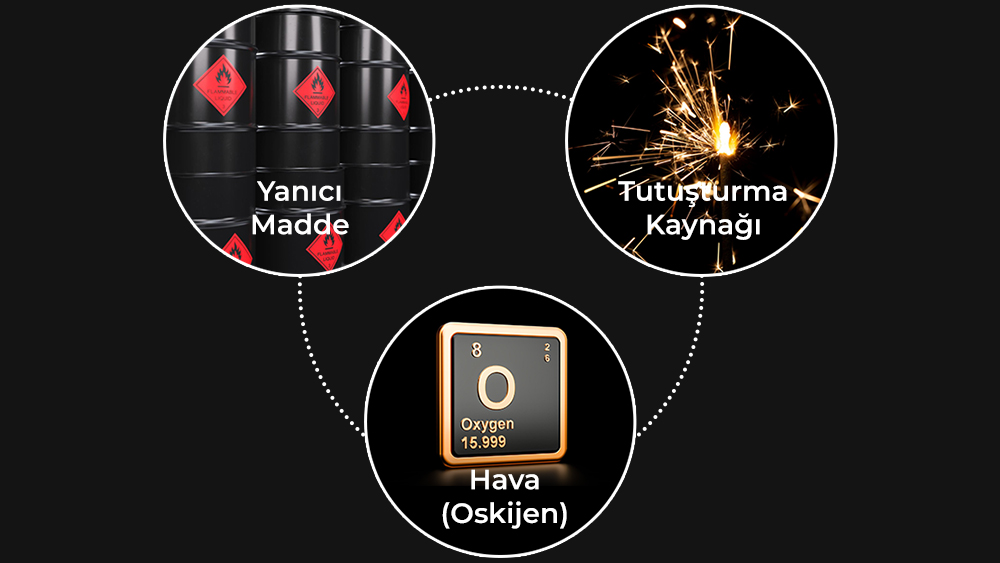
Requirements for an Explosion
Atmospheric Conditions

Atmospheric conditions are defined as follows:
- Temperature range: -20 … +60 °C
- Pressure range: 800 … 1,100 hPa (0.8… 1.1 bar)
- Oxidizing agent: Air (oxygen concentration 21% by volume)
Under these atmospheric conditions, material safety data sheets, standards regarding types of protection, etc., apply.